
Your Job Was Never the Moat. Your Decision-Making Skills at Work Were
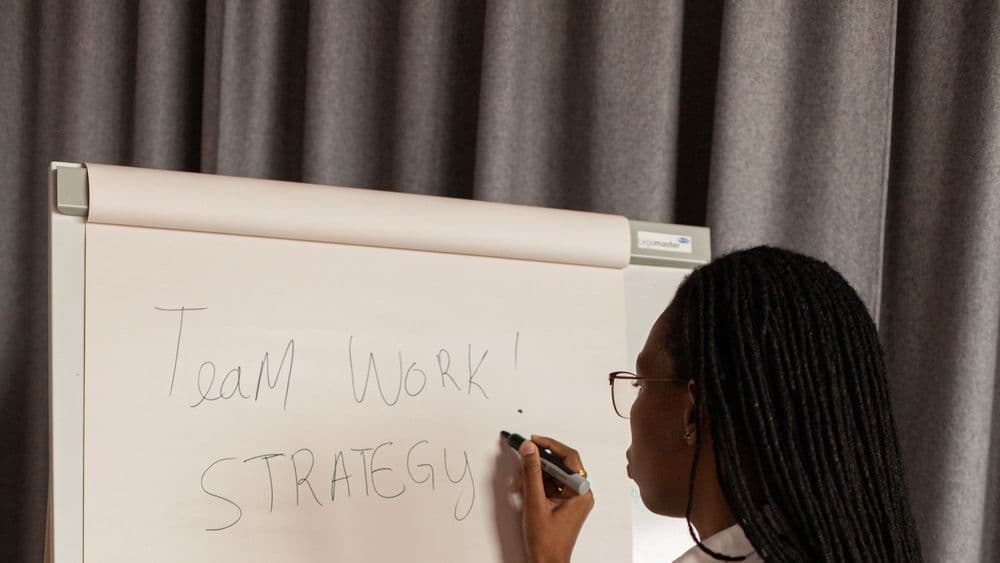
Years ago, long before anyone had an AI on their desk, a young analyst handed me the cleanest deck I had seen in months. Beautiful work. Every chart in place, every number squared off. He had pulled it together with help, a senior's old model here, a borrowed template there. Nothing wrong with that.
Then I asked him "Why this number, and not the other one?” And he froze. Not because he was slow. He was sharp. He froze because he had never actually decided anything. He had assembled. He had not chosen. Back then, that freeze raised eyebrows. We had a name for someone who could produce the work but not defend it, and it was not a kind one.
Here is the part that has kept me up. That exact gap is everywhere today, except we have given it a far more flattering name. We call it AI-enhanced. The very behavior that once got you quietly flagged, handing over something polished you cannot actually explain, now gets you praised, because the tool doing the assembling is dazzling and new. The judgment gap is not new. AI did not invent it. It just gave it a respectable disguise and handed it to everyone at once.
A piece by Aarti Anand landed in my feed this week, written for engineers, of all people, and I could not stop reading it as a piece about careers. That is how I know I found my next one. Her argument, the one I cannot put down, is this: the engineers who took AI the hardest are the ones who confused what they did with who they were. The moat was never the code. The moat was the judgment underneath it.
Where Aarti Is Right: The Moat Was Never the Skill, It Was Decision-Making Skills at Work
The part Aarti nails is that the visible skill was always a stand-in for something quieter underneath it. Your surface skill, the deck, the code, the report, becomes what you are known for. It is what people see and pay you for, and so, without deciding to, you start to believe the skill is you. For a long time, that costs nothing. It even feels good, and as the research on human skills AI cannot replace makes clear, judgment sits quietly underneath every visible skill, doing the actual work of deciding.
The Part a Career Adds: Why Nobody Told You Decision-Making Skills at Work Are the Job
Here is where I want to extend her, because my analyst's freeze happened decades before any of this had a name.
Then a machine arrives that makes the deck in nine seconds, and your stomach drops, because if you are the deck, and the deck is now free, then what are you? That was my analyst, years earlier. He had made the artifact his identity and skipped the judgment underneath, the part where you actually decide. Nobody told him that was the job. They praised the charts.
AI Did Not Delete Decision-Making Skills at Work. It Put a Spotlight On Them
This is the part of Aarti's piece that made me put my coffee down. AI did not remove the judgment layer of work. It stripped away everything around it and left judgment standing there, exposed, as basically the whole job.
Knowing which problems deserve solving. Knowing which shortcuts become tomorrow's disaster. Knowing when to build and when to just buy. Knowing what "done" really means once it meets the real world. None of that comes from a prompt, and the market has noticed. This is exactly the territory covered in AI skills for professionals and the digital divide already forming in your field in the World Economic Forum's Future of Jobs Report 2025, the most valued skill employers named was analytical thinking, above every specific tool.
The Rarest of All Decision-Making Skills at Work Is Knowing Which Problem to Solve
Back in the sixties, two psychologists, Getzels and Csikszentmihalyi, watched art students work and found that the ones who spent longer sitting in the discomfort of the problem before they began produced the more original work. The kicker: they were the ones still succeeding as artists years later. Not the fastest solvers. The best problem finders.
Now hold that next to the machine on your desk. AI is a magnificent problem solver and a hopeless problem finder. It will answer any question you bring it and never tell you that you brought the wrong one. Choosing the real problem is judgment. It is rare, and it stays yours entirely to build.
Why Decision-Making Skills at Work Matter Most for Someone Just Starting Out
Aarti's other half is about executives. A leader with twenty years behind her finds her judgment transfers almost straight across to AI decisions. The big spend, the read on a hire, the gut on a vendor. Only the label changed.
That is freeing and a little painful at once if you are twenty-three, because that transferable judgment is exactly what you do not have yet. The good news is that it is buildable, on purpose. Anders Ericsson spent his career proving something plain: expertise is earned the slow way, through effortful hours nobody enjoys while they are inside them. The hours you most want to skip are the ones where the judgment is made, and AI has politely offered to take those hours off your hands. Do not hand over all of them.
So here is what that actually looks like in practice. Chase the judgment, not the output, letting AI make the artifact so you can spend the time it saved you on the real question: why this one, and is it right? Find the problem before you solve it, asking whether it is even the right question in the first place, because that instinct is rare and it grows every time you use it. Do the hard hours AI offers to do for you, since the struggle was never in the way of the work, it is where the judgment gets built. And stop letting the task be your identity. The task is rentable. The judgment underneath is the one thing nobody can automate out from under you.
The Thing Underneath: Your Decision-Making Skills at Work
This is the whole reason RISEUP exists, so I will admit I have skin in it. Your career is the one asset you carry across every job and every new tool, and its value in an AI world is your judgment, not the surface skill the whole market can now generate. Whether you are building judgment or just producing output is exactly what our diagnostics read.
I still think about that analyst. He had talent. What he lacked was anyone telling him the deck was never the point. The deciding was. You get to learn that now, before the surface hardens into who you think you are. Build on the thing underneath. It was always the moat.
Thank you, Aarti, for a piece worth sitting with.
Sticking with the conversation about AI, RISEUP, the platform for professional guidance and decision making, has launched, sign up here and get the Explorer tier free for life.
We use AI too, but in a responsible way. Join us and find out for yourself.
Keep reading
More on Future-Proof Your Career in the Age of AI
- How to Future Proof Your Career: Bring Your Own Career Is the Step Nobody Is Tracking YetBring Your Own Career: the future-proof strategy already in the wild.
- AI Impact on Entry-Level Jobs: What the Data Just Told UsWhat the data says about AI's real impact on entry-level careers.
- Your Career Is a Paper Millionaire, and That Is Why Staying Relevant in the Age of AI Starts With the Governance Layerou've been building career wealth. But is any of it actually yours?
- The Quiet Years That Shape a Career: What the Gen Z at Work Data Is Actually Telling UsGen Z isn't avoiding the hard climb. They just have nowhere reliable to look.