
Mentorship Primer: Responsible Mentoring in Organizations
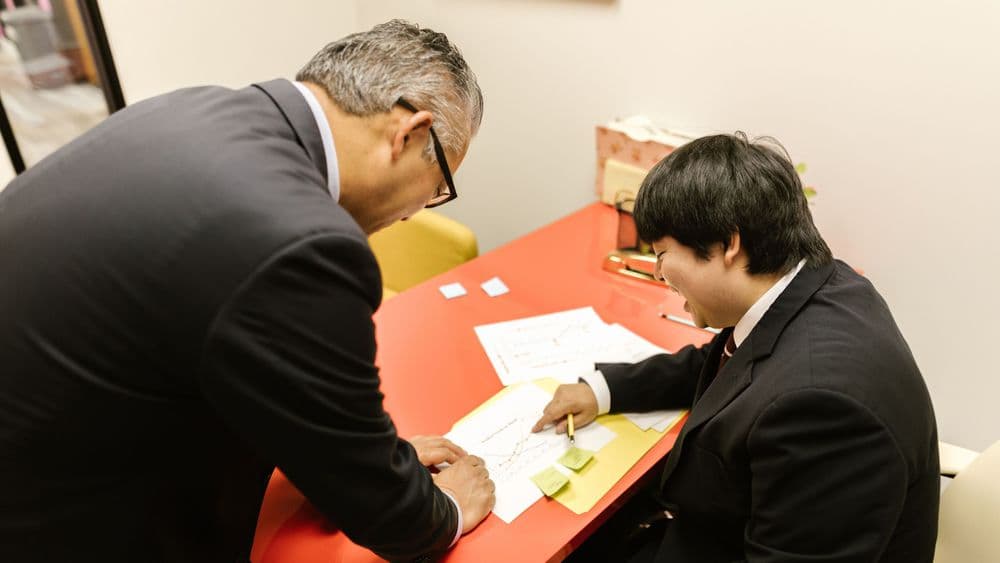
Background and Intent
I recently concluded a twelve-week Global Mentorship Initiative (GMI) engagement with my mentee, Getrude Jeruto.
Rather than documenting the mentorship itself or sharing personal moments from our conversations, I created a practical primer. Mentorship conversations are sacred — they depend on trust, confidentiality, and psychological safety. Exposing them, even with good intent, can undermine the conditions that made the work meaningful.
This write-up is not a reflection on a single mentorship. It is a practitioner-oriented guide for anyone who engages in mentorship, formal or informal, with a particular focus on professional development inside organizations.
Intended audience:
- Corporate managers
- Senior leaders
- Functional experts
- Professionals approached for guidance outside formal programs
Aim: provide precise mechanisms for governing mentorship relationships responsibly, drawing on principles aligned with professional coaching practice.
Why Every Employee Mentorship Program Requires Structure for Real Career Development
Mentorship is often treated as informal and benign. In reality, it carries power and influence.
Mentorship affects:
- Career direction
- Confidence and identity
- Decision making under uncertainty
- Access to opportunity and networks
Common failures in mentorship usually stem from:
- Unclear roles
- Unspoken expectations
- Lack of boundaries
- Over-reliance on the mentor
Structure protects both mentor and mentee.
Step One — How to Clarify the Nature of the Mentorship Relationship
Before offering guidance, pause and clarify what kind of relationship this is.
Questions every mentor should consider and often state explicitly:
- Is this a formal or informal mentorship?
- Is this time-bound or open-ended?
- Am I acting as a manager, mentor, advisor, or sponsor?
- What authority or influence do I hold over this person?
- What assumptions might they be making about outcomes?
Key principle: Unacknowledged power creates risk. Clarity reduces it.
Step Two — How to Establish a Mentorship Contract That Sets Clear Expectations
A contract does not need to be written (though documenting expectations is recommended). It does need to be explicit.
At minimum, align on:
- Purpose of the relationship
- Topics that are in scope
- Topics that are out of scope
- Ownership of decisions remaining with the mentee
- Duration and a review point
In structured programs like GMI, the container is provided. In informal mentorship, the mentor must help create the container.
Step Three — How to Separate Mentorship From Sponsorship Inside Organizations
This distinction is critical in organizations.
Mentorship typically involves:
- Perspective
- Reflection
- Sense‑making
- Skill and capability development
Sponsorship typically involves:
- Advocacy
- Use of influence
- Access to opportunities
Best practices:
- Do not imply sponsorship unless it is intentional and appropriate.
- Do not allow ambiguity around opportunities or outcomes.
- State clearly when sponsorship is not part of the relationship.
Clarity here prevents pressure and performance behavior.
Step Four — How to Design Mentorship Conversations for Psychological Safety
Psychological safety is the foundation of learning and growth.
Mentors support safety by:
- Allowing uncertainty without rushing to answers
- Normalizing not knowing
- Challenging ideas without judging the person
- Making it safe to revise thinking
Common mentor mistakes to avoid:
- Over‑correcting
- Over‑advising
- Turning sessions into performance reviews
- Solving problems too quickly
Restraint is often more developmental than advice.
Step Five — How to Use Frameworks Without Limiting the Mentee's Professional Growth
Frameworks are powerful when used correctly.
Effective use organizes experience, reduces cognitive overload, and builds transferable thinking skills the mentee can apply independently long after the relationship ends. On the other hand, ineffective use encourages scripting, creates performance anxiety, and reduces the authenticity of the very conversations the framework was meant to support.
Guiding principle: structure is scaffolding, not a rulebook. Introduce it, practice it together, then gradually loosen it. The goal is internalization, not compliance. For more on building independent thinking habits that compound over time, our piece on how to build a learning machine mindset for professional growth covers the reflective and iterative side of career development in detail.
Step Six — How to Guard Against Dependency in a Mentorship Relationship
Dependency rarely begins intentionally. It often masquerades as trust.
Warning signs:
- “What do you think I should do?”
- “I will wait until we talk.”
- “You always have the answer.”
Responsible mentorship redirects ownership.
Effective mentor responses:
- “What options are you considering?”
- “What criteria matter most to you?”
- “What decision feels most aligned with your goals?”
The mentee owns the decision. The mentor supports the thinking.
Step Seven — Why Restraint Is One of the Most Valuable Skills in Any Employee Mentoring Program
Good mentors know when not to intervene.
Restraint applies to:
- Advice
- Introductions
- Influence
- Emotional involvement
Mentorship is not about being indispensable. It is about being temporarily useful.
Step Eight — How to Design the Ending of a Mentorship Intentionally
Every mentorship should have an ending. A well-designed one at that.
An ending that reinforces independence, encourages honest reflection on the growth that happened, prevents drift and dependency from setting in quietly, and honors the work completed during the engagement. For professionals building a structured career development plan for 2026, understanding where support relationships should begin and end is part of designing a career system that strengthens rather than creates reliance. Our guide on how to create a career development plan for 2026 covers that structure in full.
In time-bound programs, the ending is built in by design. In informal mentorship though, the ending must be named intentionally, and early enough that it does not feel like abandonment when it arrives.
What a Responsible Employee Mentorship Program Actually Requires
You do not need a coaching certification to mentor responsibly. But you do need an awareness of the power you hold relative to the mentee, clear and explicit boundaries around the relationship's scope, ethical judgment to recognize when you are helping versus overreaching, and a genuine willingness to exercise restraint.
Be it formal or informal, mentorship shapes people. How it is designed matters as much as intent. All said, you should stop leaving your career to chance. Like seriously, stop it.
More on How to Get Promoted at Work
- How to Get Promoted at Work: The Internal Advancement Strategy Nobody Talks AboutGet promoted fast with this internal strategy playbook. Learn the 5 key traits.
- How to Get Noticed at Work Before It's Too Late for Your CareerThe instinct to avoid managing up has killed more careers than bad work.
- How to Communicate Your Value at Work: Being Capable Is Not the Same as Being Understoodour work is excellent. The problem is nobody who matters knows that yet.
- The Internal Interview Test: Why Answering Well Isn't Enough to Get You PromotedThe most talented people don't always get promoted. The best-positioned ones do.